
The Home Maintenance Task Most Reno Homeowners Keep Putting Off

There are certain home maintenance tasks that feel easy to delay because nothing obviously goes wrong when you skip them. Dryer vent cleaning sits firmly in that category for most households. The dryer still runs, the clothes still dry, and life moves on. What most people do not realize is that the consequences of neglecting this particular task build quietly and can become serious before any warning signs appear.
A Clean Dryer Vent Is Safer Than You Think

Understanding what is actually at stake changes how seriously most homeowners treat this service. Those who have scheduled Reno Dryer-Vent Cleaning with a qualified professional often describe the experience as one of the most worthwhile maintenance decisions they have made for their home. Here is why this service deserves a permanent spot on your home care calendar.

Lint Buildup Is a Genuine Fire Hazard

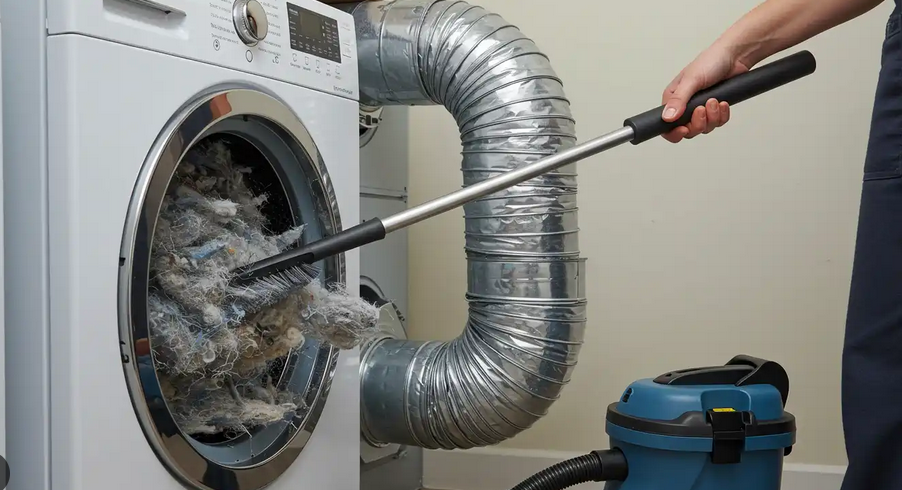
The most compelling reason to stay on top of dryer vent cleaning is fire safety. Lint is highly flammable, and over time it accumulates inside the vent line in ways that are completely invisible from the outside. The US Fire Administration consistently identifies clogged dryer vents as one of the leading causes of residential fires nationwide. A professional cleaning removes that buildup entirely, eliminating a fire risk that most homeowners do not even know exists inside their own walls until something goes wrong.

Your Dryer Works Harder Than It Should

Beyond the safety concern, a clogged vent forces your dryer to work significantly harder to push moist air out of the machine. When airflow is restricted, drying cycles take longer, energy consumption climbs, and the internal components of the appliance experience far more wear than they were designed to handle. Many homeowners who notice their dryer taking two cycles to finish a single load are actually dealing with a venting problem rather than a mechanical one. 

Energy Bills Reflect the Difference

Furthermore, the connection between a clean dryer vent and lower energy costs is more direct than most people appreciate. A dryer operating against restricted airflow consumes considerably more electricity or gas per cycle simply to compensate for the reduced efficiency. Over the course of a full year, that inefficiency adds up to a noticeable increase in your monthly utility bills. 

How Often You Should Schedule This Service

Most professional recommendations point to annual dryer vent cleaning as the standard for average households. However, families with larger loads of laundry, homes with longer vent runs, or households that use the dryer daily may benefit from scheduling the service every six months instead. Signs that your vent needs attention sooner include clothes taking longer than usual to dry, a burning smell during operation, excessive heat around the dryer exterior, or visible lint accumulating around the outside vent opening.

Conclusion: A Clean Dryer Vent Is Safer Than You Think

To wrap it all up, dryer vent cleaning is one of those maintenance tasks that quietly protects your home in ways that only become obvious when it is neglected for too long. The fire safety benefits alone make it worth prioritizing, and the added advantages of better appliance performance and lower energy bills make the case even stronger. Do not wait for a warning sign to take this seriously. 
The Smartest Way to Add Storage Space Without Adding Stress

At some point, most properties simply run out of organized space. Tools migrate to corners, seasonal equipment piles up in garages, and the clutter that accumulates without a dedicated home for it quietly reduces how functional and enjoyable the property feels day to day. The solution does not have to be complicated or expensive.

Finding the Right Shed for Your Property and Your Needs

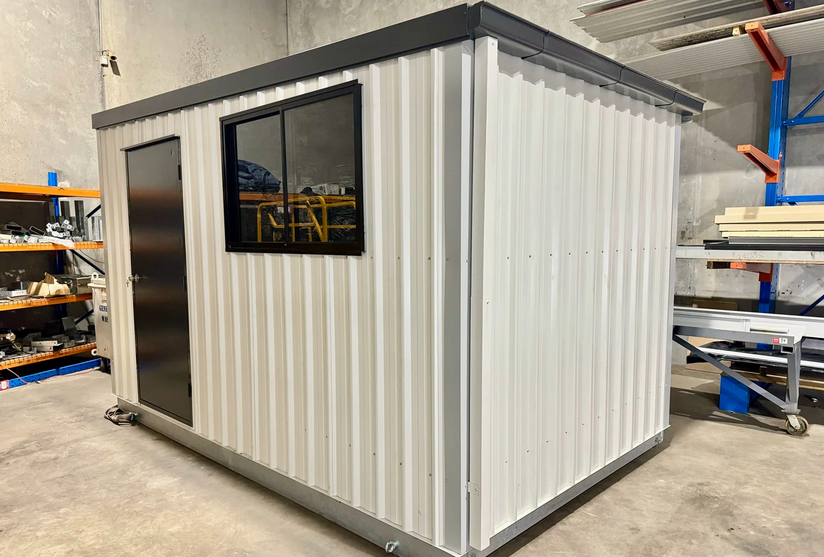
The options available today go well beyond the basic utility boxes many people picture when they think about outdoor storage. Property owners exploring Show Low AZ Sheds for Sale quickly discover that modern shed construction offers quality, customization, and versatility that makes a well-chosen structure one of the most practical upgrades a property can receive. Here is what to think about before making a decision.

Size Is the Decision Most Buyers Get Wrong First

Underestimating how much space is actually needed is the single most common mistake first-time shed buyers make. A structure that looks generous in a product listing fills up quickly once real equipment, tools, and seasonal items move in. Before settling on a size, take inventory of everything intended for the shed and consider adding one size tier above that estimate. A little extra space costs less upfront than purchasing a second structure later because the first one ran out of room within the first season of use.

Material Choice Shapes Long Term Satisfaction

The material a shed is built from has a direct impact on how it performs, how it looks over time, and how much maintenance it demands from the owner. Wood sheds offer a warm aesthetic that blends naturally into residential settings and accepts paint and customization well, but require consistent sealing and treatment to resist moisture and insects across mountain seasons. Metal sheds resist pests and rot effectively and need very little upkeep. Vinyl construction handles moisture and temperature swings without demanding any maintenance at all, making it a practical choice for property owners who want durability without ongoing effort.

A Shed Can Serve More Purposes Than Storage Alone

Furthermore, the most satisfied shed owners are often those who thought beyond basic storage when making their selection. A generously sized structure with proper flooring and adequate headroom can function as a dedicated workshop, a potting shed for serious gardeners, a space for hobby projects, or a home office separate from the distractions of the main house. Thinking about what the space could become with the right setup often leads to a better size and configuration choice than planning purely around current storage needs.

Foundation and Placement Deserve More Thought Than They Usually Get

Where a shed sits on a property and what it sits on matters more than most buyers anticipate until after installation. A level, stable foundation prevents structural shifting, keeps doors operating correctly, and protects the floor from ground moisture over time. Poor drainage around the site accelerates deterioration and creates mud and water management problems that make accessing the shed unpleasant in wet seasons. Taking time to evaluate the site carefully before delivery prevents problems that are far more difficult and expensive to address after the structure is already in place.

Conclusion: Finding the Right Shed for Your Property and Your Needs

To wrap it all up, choosing the right shed comes down to honest planning at every stage. Getting the size right from the start, selecting a material that suits the local climate and your maintenance tolerance, thinking creatively about how the space can serve you, and preparing a proper site before delivery all contribute to an outcome that adds lasting practical value to the property. A well-chosen shed does not just store things. It makes the entire property work better every single day.